A quality furniture to furnish all the rooms of your home does not have to cost a fortune, but it is important to know what to look for. Don't know where to start? Continue reading to learn how to spot the best furniture for all budgets.
The importance of materials: what you need to know
Choosing a quality piece of furniture is first of all knowing identify the material that constitutes it. The latter will explain both the durability of the furniture and its aesthetic and decorative qualities. Find out below how to prioritize the materials that make up your furniture!
Identify the quality and type of wood
In general, wooden furniture is made from these three materials:
Know how to recognize solid wood: a noble material that resists time
The solid wood furniture They are made from a single kind of natural wood. They are beautiful and natural, durable and can be dyed in the color or style of your choice. Moreover, it is usually repairable if it is damaged. However, solid wood can be quite expensive and must be cleaned and maintained to avoid cracks and cracks.
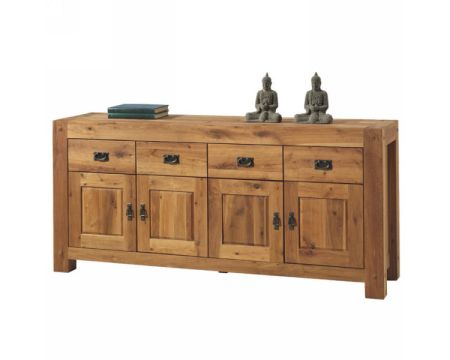
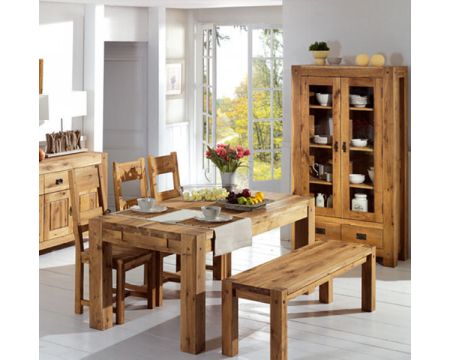
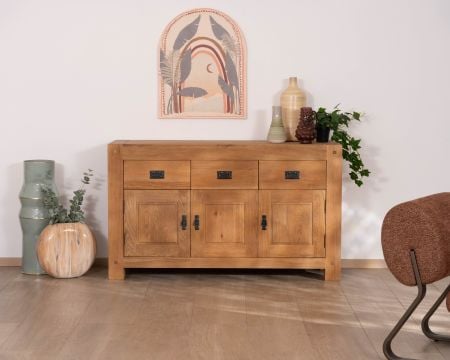
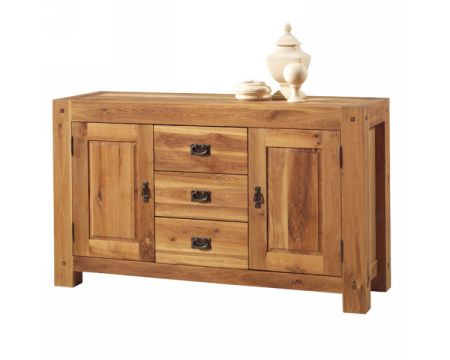
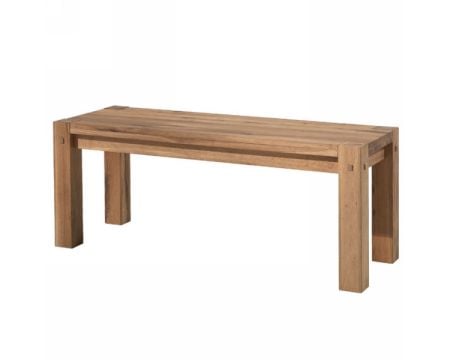
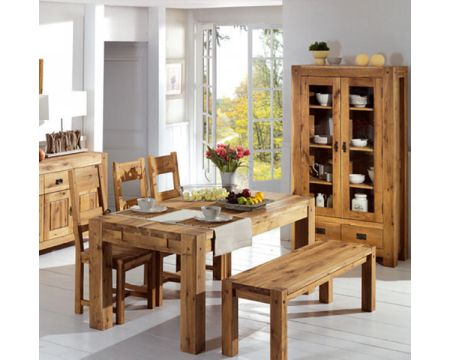
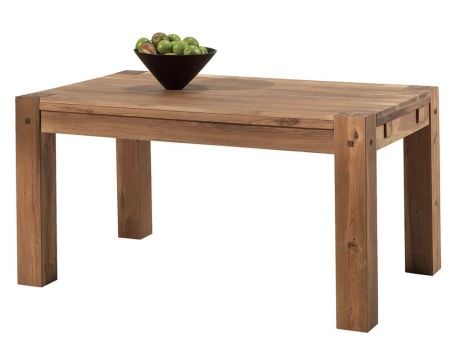
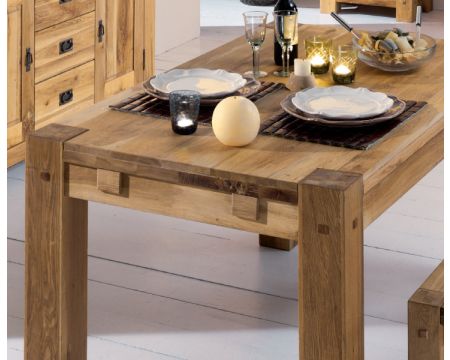
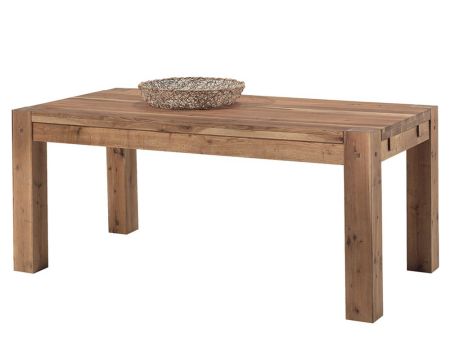
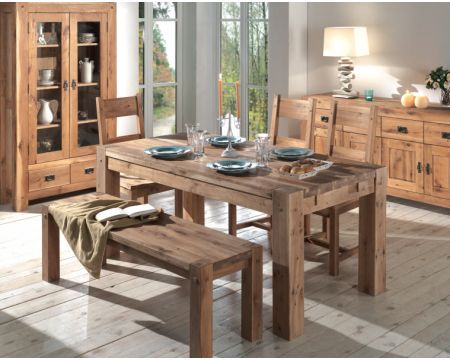
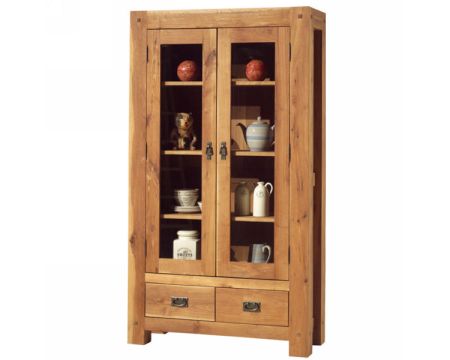
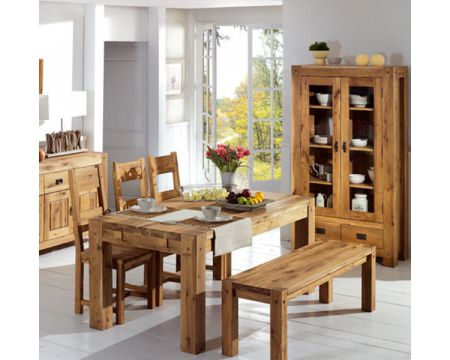
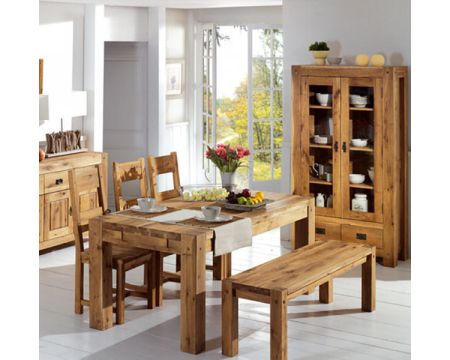
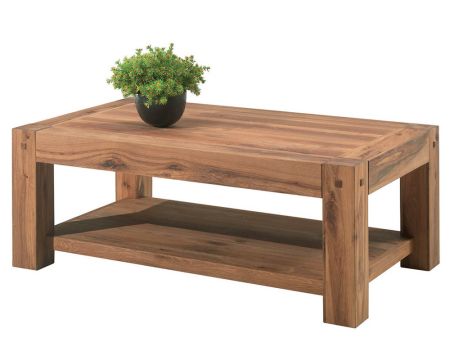
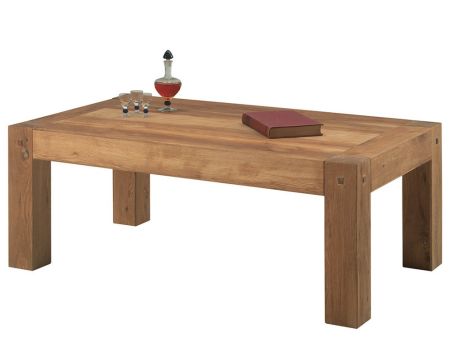
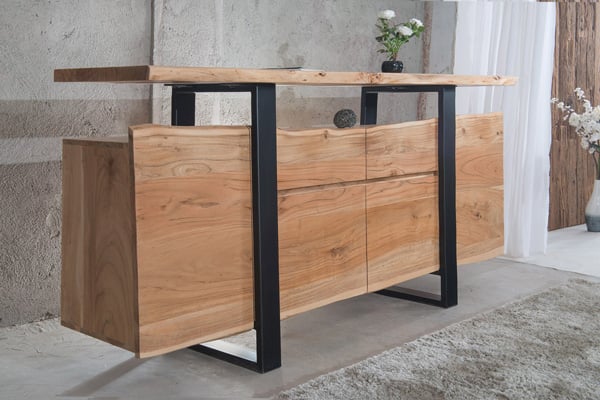
Some high quality furniture are made of solid wood and are distinguished by their durability and timeless aesthetic. An oak dining table, a rustic sideboard or even a table with a modern wooden cabinet This furniture not only offers a great resistance to wear, but also brings a touch of authenticity and refinement to any interior.
Some high quality furniture are made of solid wood. In general, hardwoods, which come from trees such as maple, oak and walnut, are more durable than softwoods, which come from coniferous trees such as redwood, pine or cedar.
Plating wood, a material that can be synonymous with quality
Many high-quality furniture, including sideboards, desks, shelves and tables, are in fact wood veneers, which means that thin slices of hardwood are glued to panels of a less expensive material such as plywood (fine wood boards glued together), particle board (painted wood dust with resin) or medium density fibre board (compressed wood fibre with wax and resin).
Wood veneer furniture has some advantages over solid wood furniture, which is cheaper, less heavy and more resistant to deformation and cracks. Moreover, it usually takes less time to manufacture and, in some cases, more environmentally friendly, since it preserves hardwood and reuses wood dust that would otherwise go to landfill. However, veneered wood furniture is not necessarily as durable as solid wood. And although veneer can be sanded, painted and dyed, the finishing options may be limited depending on the thickness of the veneer.
Laminate wood: know to recognize it, it is not necessarily to avoid!
Laminate is made of composite wood, usually a particle board, covered with a synthetic material printed to resemble the grain of wood. Many cheap furniture is made of laminate because it is functional, affordable and extremely easy to maintain. However, laminate furniture is not as durable, beautiful or customizable as solid wood furniture or wood veneer. So you should not consider it as a low-end material! How to locate it? Look for the terms "stratified" or "compositif" in the product description. Laminate can look like wood but look like plastic to the touch. Laminate grain will not follow the thread of the furniture as it is for real wood.
Leather: a natural material to understand and analyze
High quality leather furniture is beautiful, functional and durable. However, not all leather furniture is designed to last. Here is why: In the raw state, cow leather is thick and not flexible. To make it usable, it is divided into upper and lower layers. Leather is divided into categories, depending on the layer used to make it. They include the following categories:
Full-flower leather: identify this natural and qualitative material
Full-flower leather is the outer layer of the skin; it has not been worked to remove irregularities and usually has stains and scars. It retains the densest fibres of the skin. It is extremely resistant and cannot be torn. Full-flower leather is the most expensive and durable category of leather.
Corrected grain: a good choice in second place
The corrected grain leather is also the outer layer of the skin, but it has been polished and sanded on both sides. It is then pigmented to make the surface smooth, uniform, without stains and water resistant. It is not as durable as full-flower leather, so it can be cut and scratched over time. In general, it is a good option, but its quality varies according to the way it is treated. It is sometimes called full-flower leather.
Split grain: to reconcile budget and leather furniture
This type of leather is designed from the lower layer of the skin. It does not contain any part of the skin grain. It is the cheapest option, but it is not as durable as full-flowered or corrected leather.
The leather glued, which you should instead avoid
This type of leather is made by spraying the leather remains and fibres of the lower half of the skin to make a paste, then binding them to a polyurethane support. This is an economical option, but it may not be 100% leather and it does not last as long as the natural leather.
The importance of manufacturing in the quality of your furniture
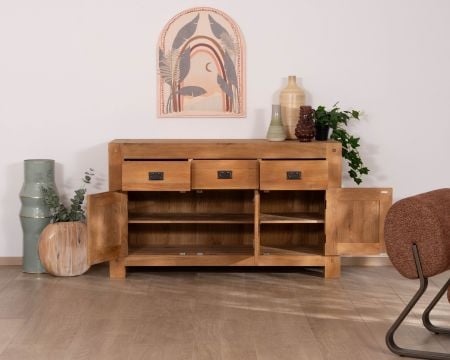
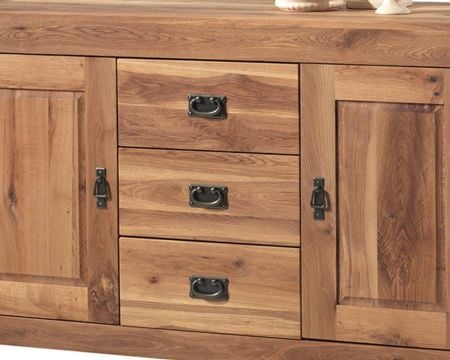
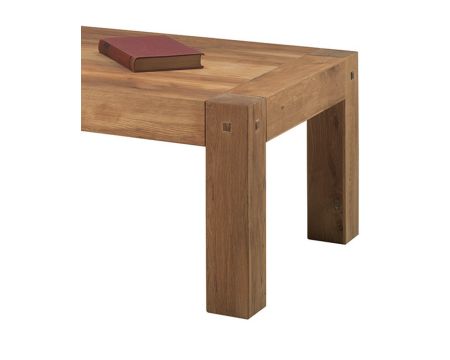
In addition to paying attention to the quality of the materials, inspect the construction of a piece of furniture before buying it. Open the drawers, look at the back and bottom of the pieces, remove the cushion covers and check how the furniture is assembled. Avoid furniture made with staples, nails or glue. Ideally, look for corners assembled in the tail of a row (square teeth that fit together), in tenon and mortise (a piece of rectangular wood inserted in a slot of the same size) or with ankles (wood horses inserted in holes). The assembled corners are more robust and bear more weight. This requirement of assembly counts double for parts exposed to water. A cabinet under solid wooden basin mounted in tenon and mortise cashes years of splashing and variations of humidity, where a stapled assembly ends up playing.
Make sure the drawers open easily, stay open until you close them and have a block to prevent them from going too far. Check that the handles and buttons are tight. When you buy padded chairs, look for evenly spaced springs that offer equal resistance. The cushions must have removable covers and the interior must be made of firm foam, wrapped with padding and an inner protective cover.