Furniture dimensions
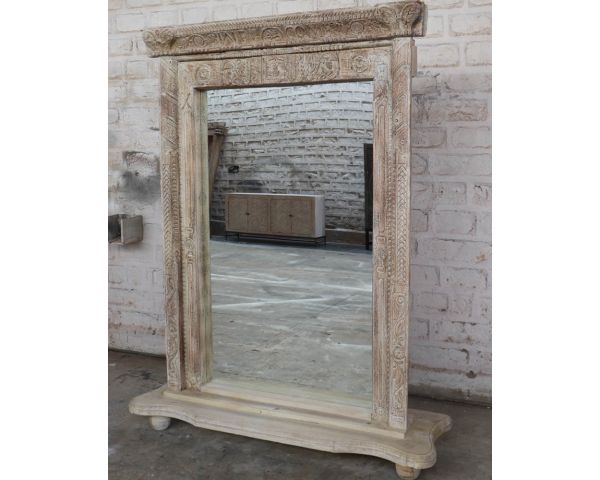
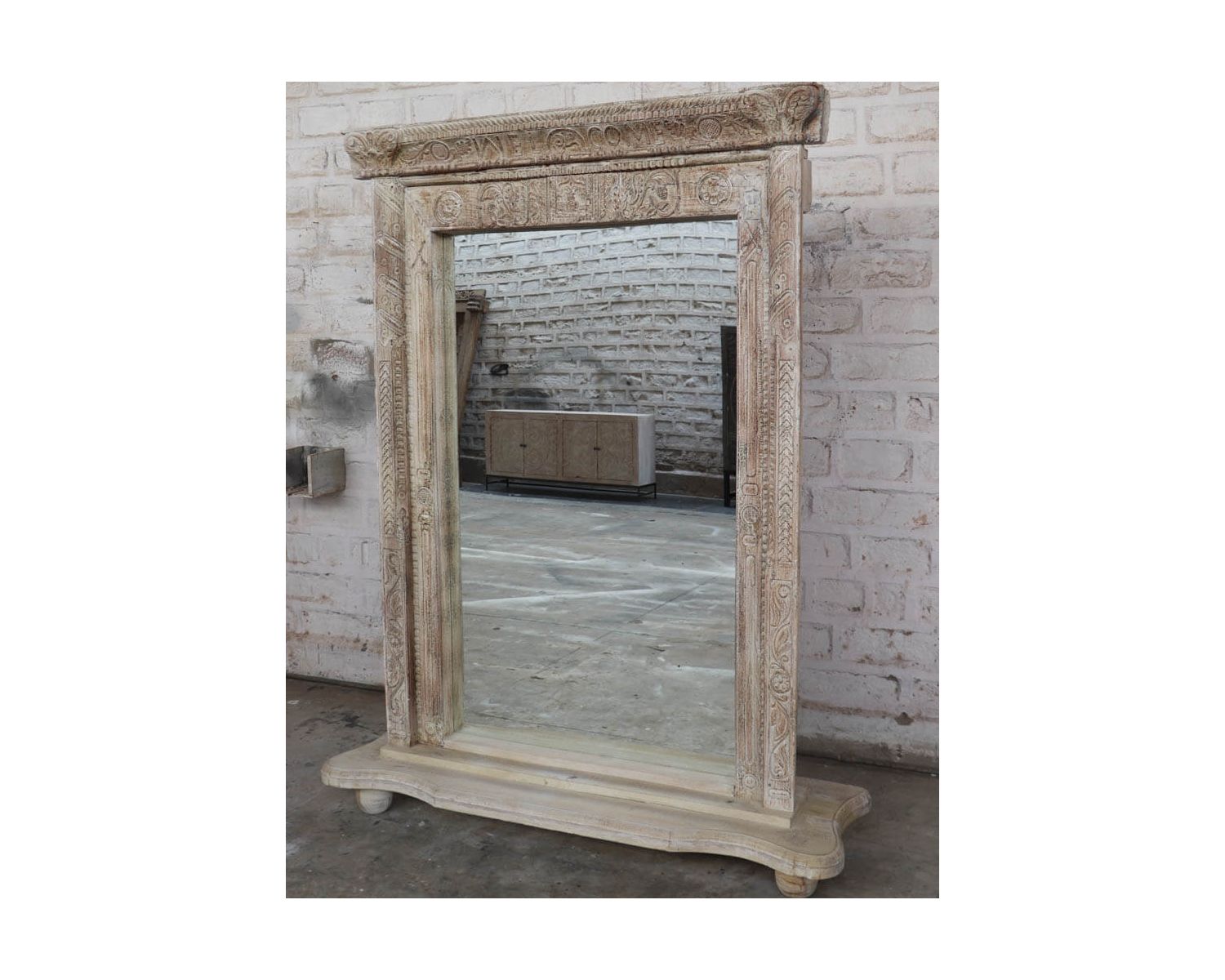
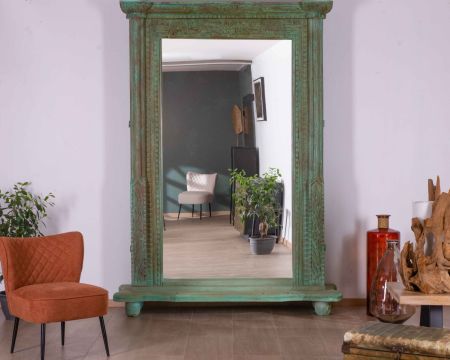
Length: 177 cm – Depth: 51 cm – Height: 228 cm
Materials: recycled solid exotic wood, mirror
SINGLE PARTY
Fitted cabinet
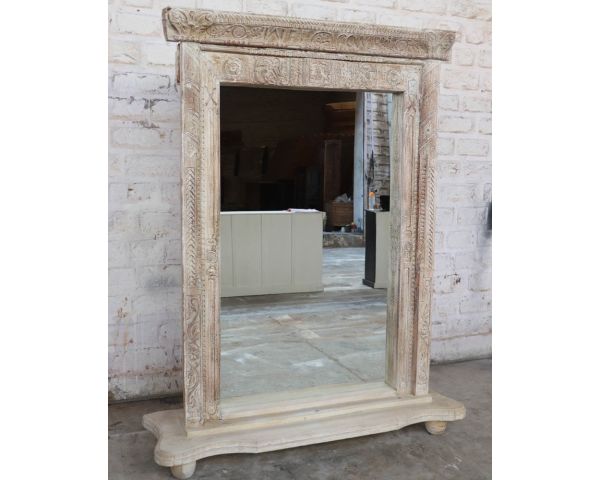
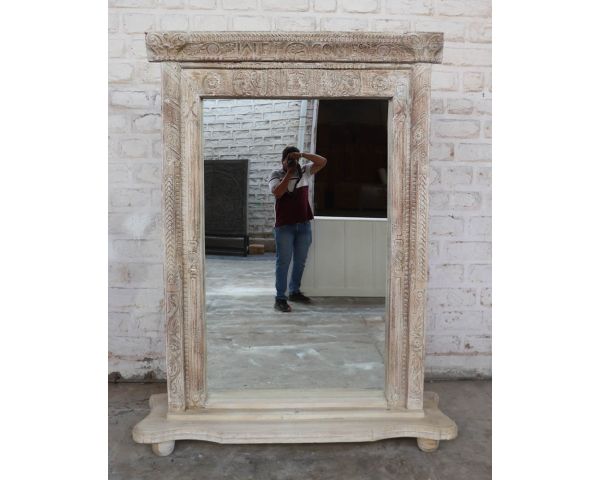
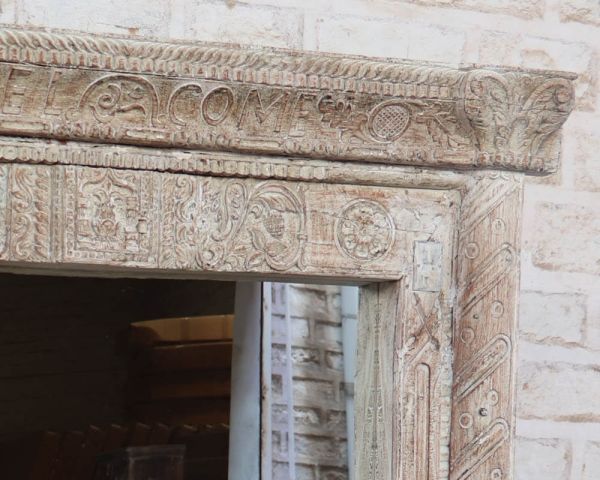
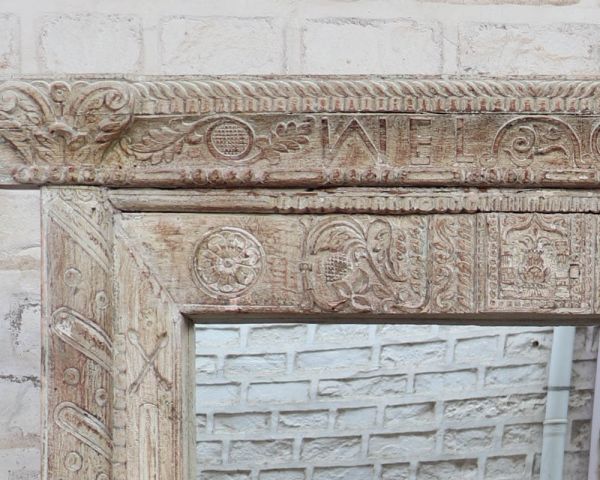
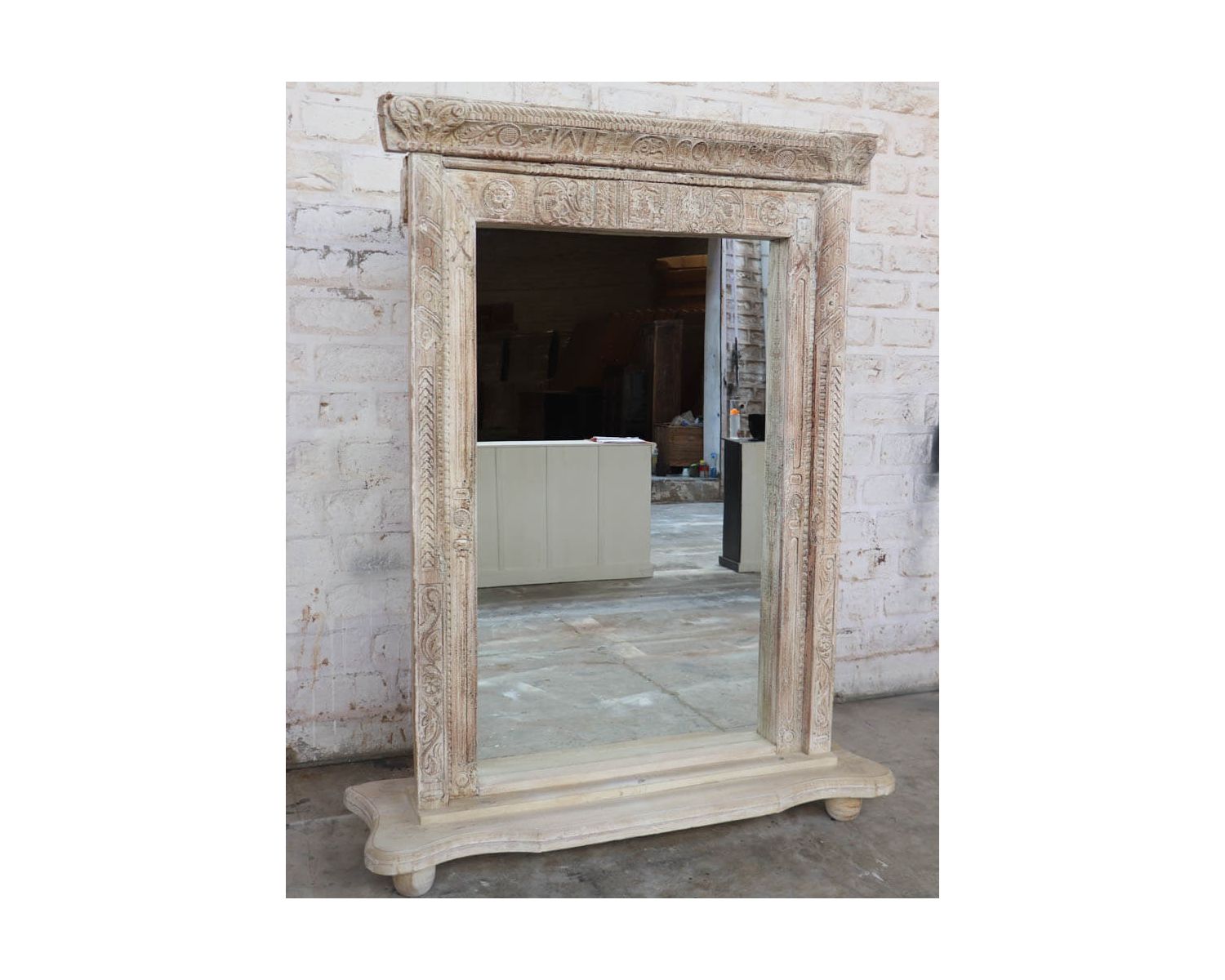
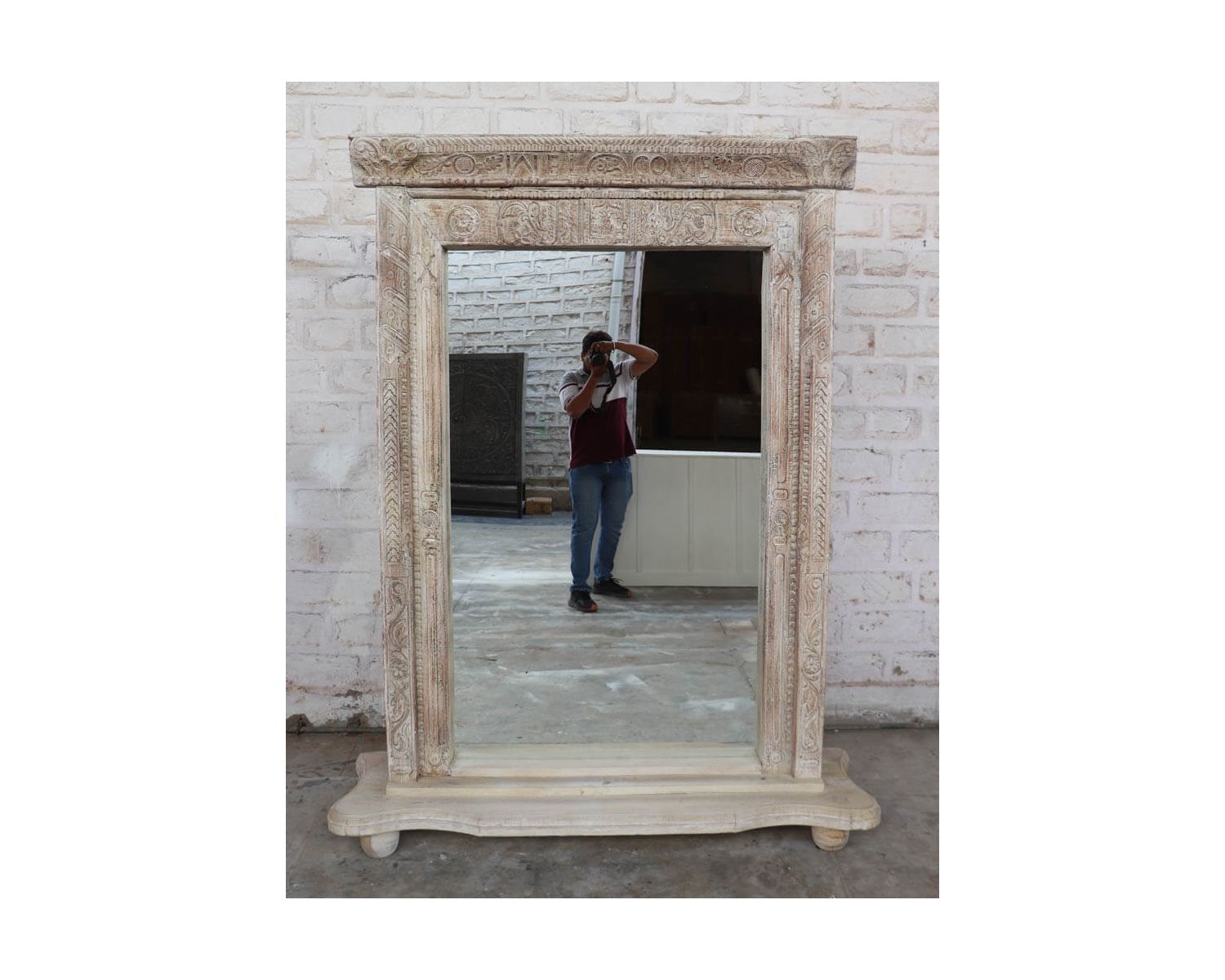
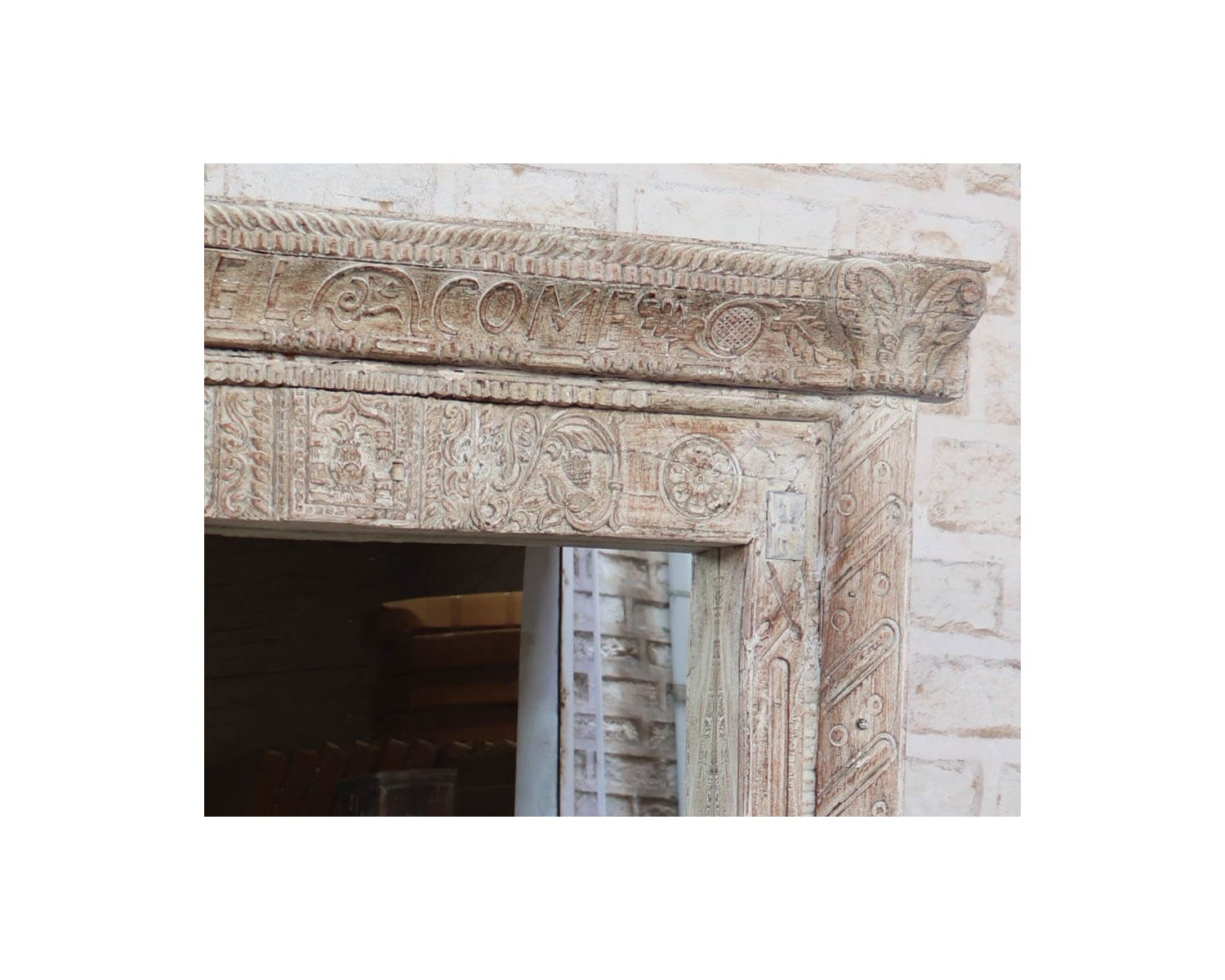
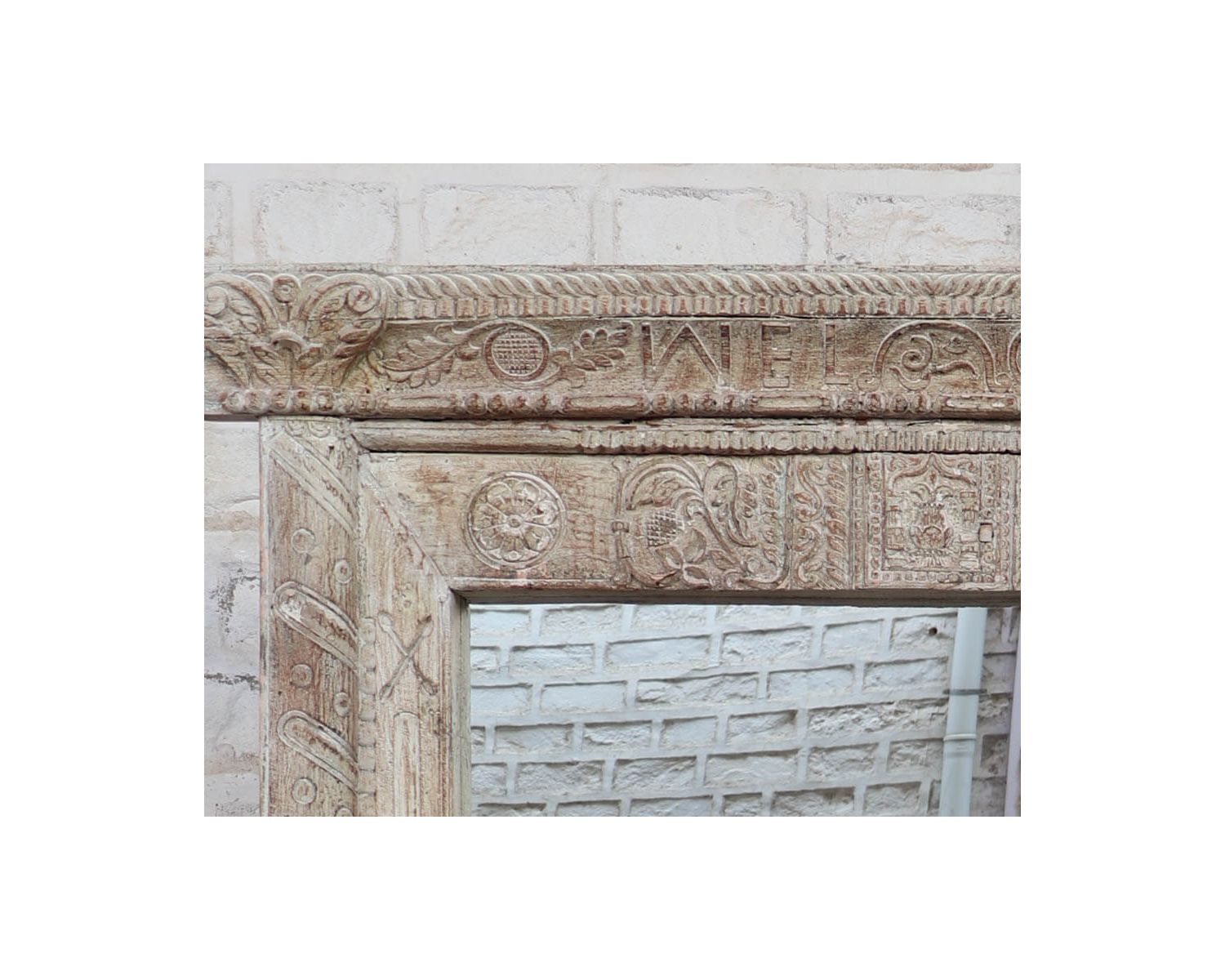
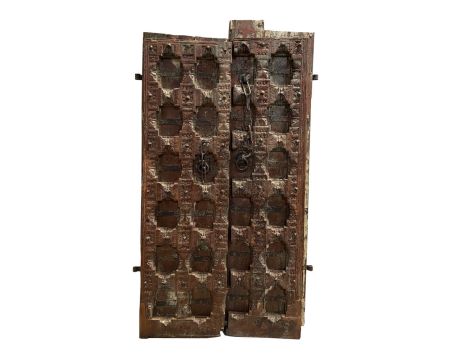
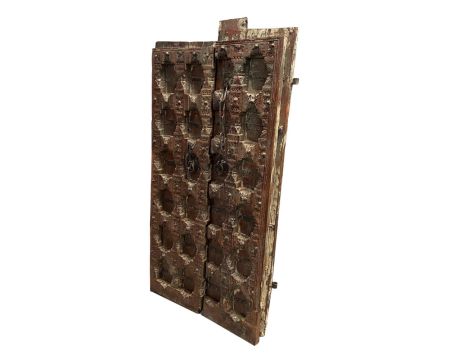
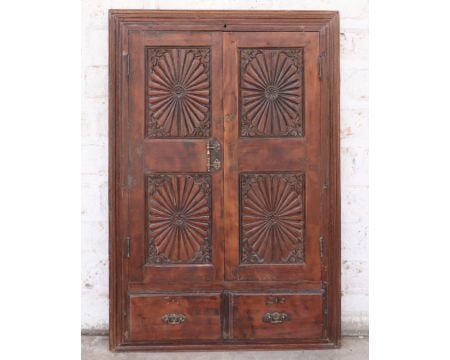
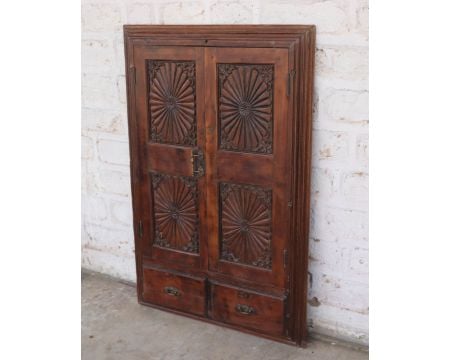
The great "Old Door" mirror unique. Like you.
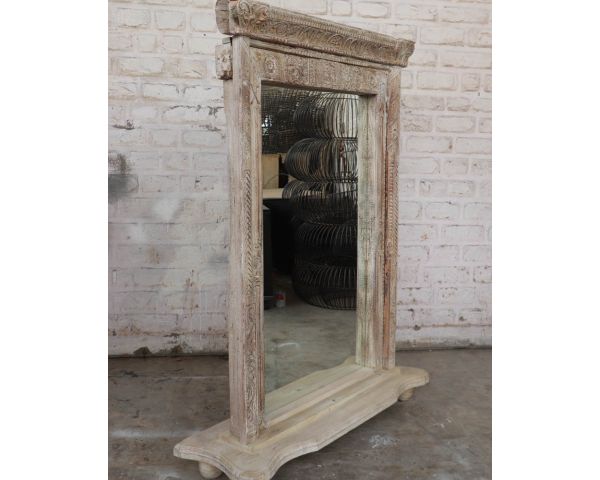
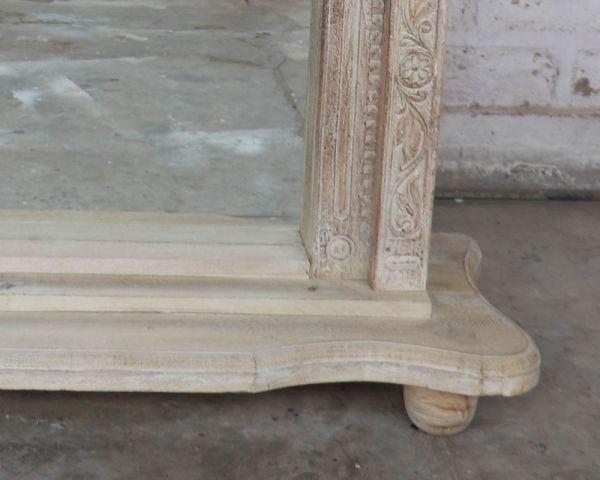
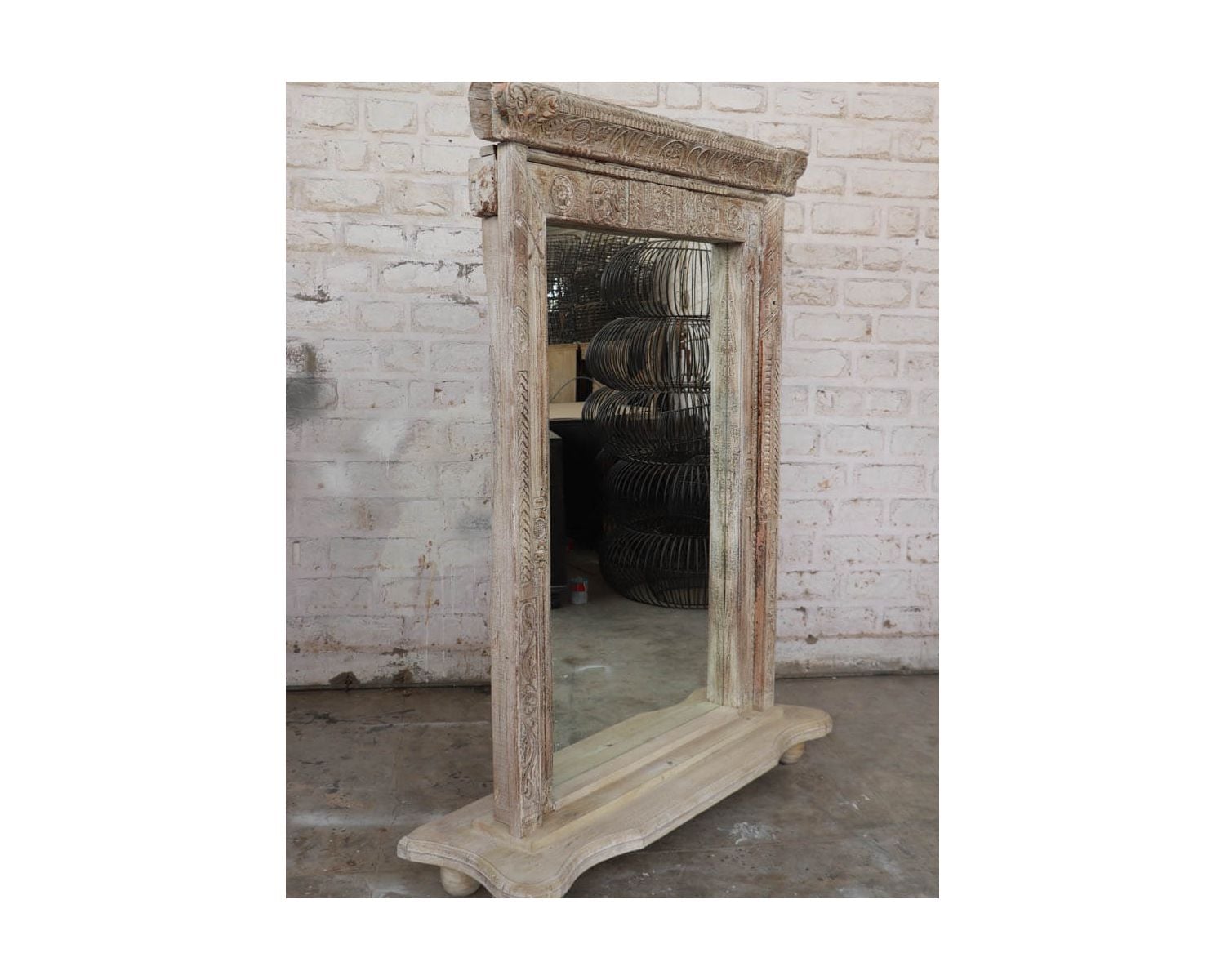
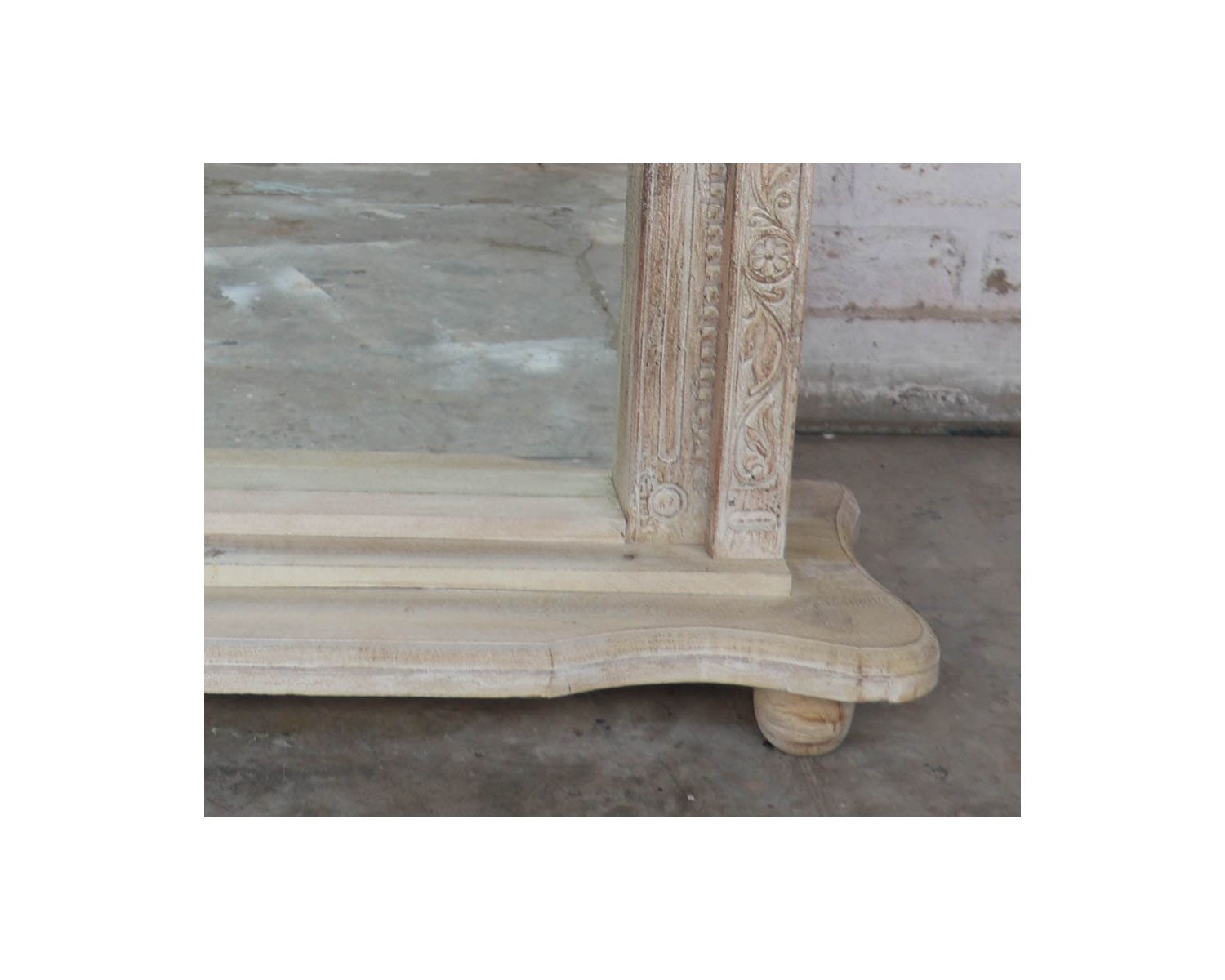
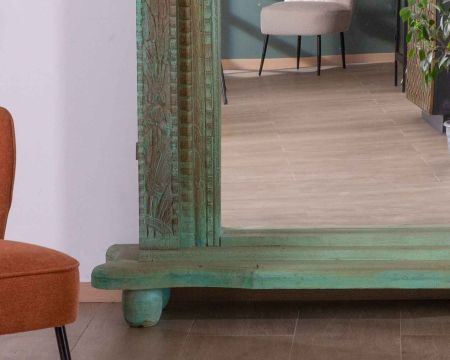
This Indian mirror is a unique room that will definitely enhance your entrance, living room or room. In the lobby of your hotel or close to the sanitary facilities of your Indian restaurant, this large mirror of L. 177 x D.51 x H.228 cm will make sensation with your customers. Everyone will enjoy to admire this mirror XXL The base base, with its ball feet, is perfectly stable and will stabilize the overall weight of the furniture. The base is perfectly stable and the base is a very good base for the decoration of the furniture. The base is a very good base for the decoration of the furniture.
Make yourself a beauty every day in front of this Indian mirror in overcycled wood in a imposing format and offer a chic ethnic atmosphere to your interior. You can mirise from foot to head and you will be ready to face the world!
The mirror in history...
Examining its reflection is a daily gesture. But miring in ice has not always been within the reach of all eyes... This object that became common and changed our habits has its first origins several thousand years ago. The oldest examples date from -6,000 B.C.E. and were found in Anatolia, the present-day Turkey. At the time, mirrors are designed from pieces of polished stone, like the obsidian, a natural volcanic glass.
Around 4,000 BC, the more reflective metal-surfaced mirror in copper or bronze replaces stone but it quickly sews. The glass mirror has no problem with this. But it only appeared in the first century. Minuscules because from 2 to 7 cm in diameter, these small fragments of glass are considered mainly as amulets.
From the Renaissance, significant technical progress was made. The craftsmen developed a more advanced process covering glass with a mixture of tin and mercury. The mirror evolved as an accessory of wealth and extraordinarily luxurious decoration. In the 16th century, a city distinguished itself by its talent: Venice. Venetian glassmakers designed large walls that took the nickname "ices". They spread their know-how throughout Europe. The ice gallery of the Palace of Versailles illustrated Louis XIV's power and its court. While the highest aristocracy admired the head to foot, the peasant of the countryside had only the water of streams as a mirror.
In 1835, the German chemist Justus von Liebig discovered that silver can be deposited on glass. This silvery process allows to trade the famous toxic amalgam of the old mirrors, while gradually facilitating its marketing. The mirror thus appears in most bourgeois homes.
The growing progress in living standards contributes to the democratization of mirrors in all settings. From the 20th century onwards, the mirrors in feet invite in all bedrooms, then in the bathrooms. In a wink, these "psyches", as they are called, reflect our image in its entirety. An image that we now enjoy to treat, in everyday life.
With the big Indian mirror "Old Gate", no woe because you found a unique piece... The luck is there.
Technical data:
Unique furniture made in a craft way
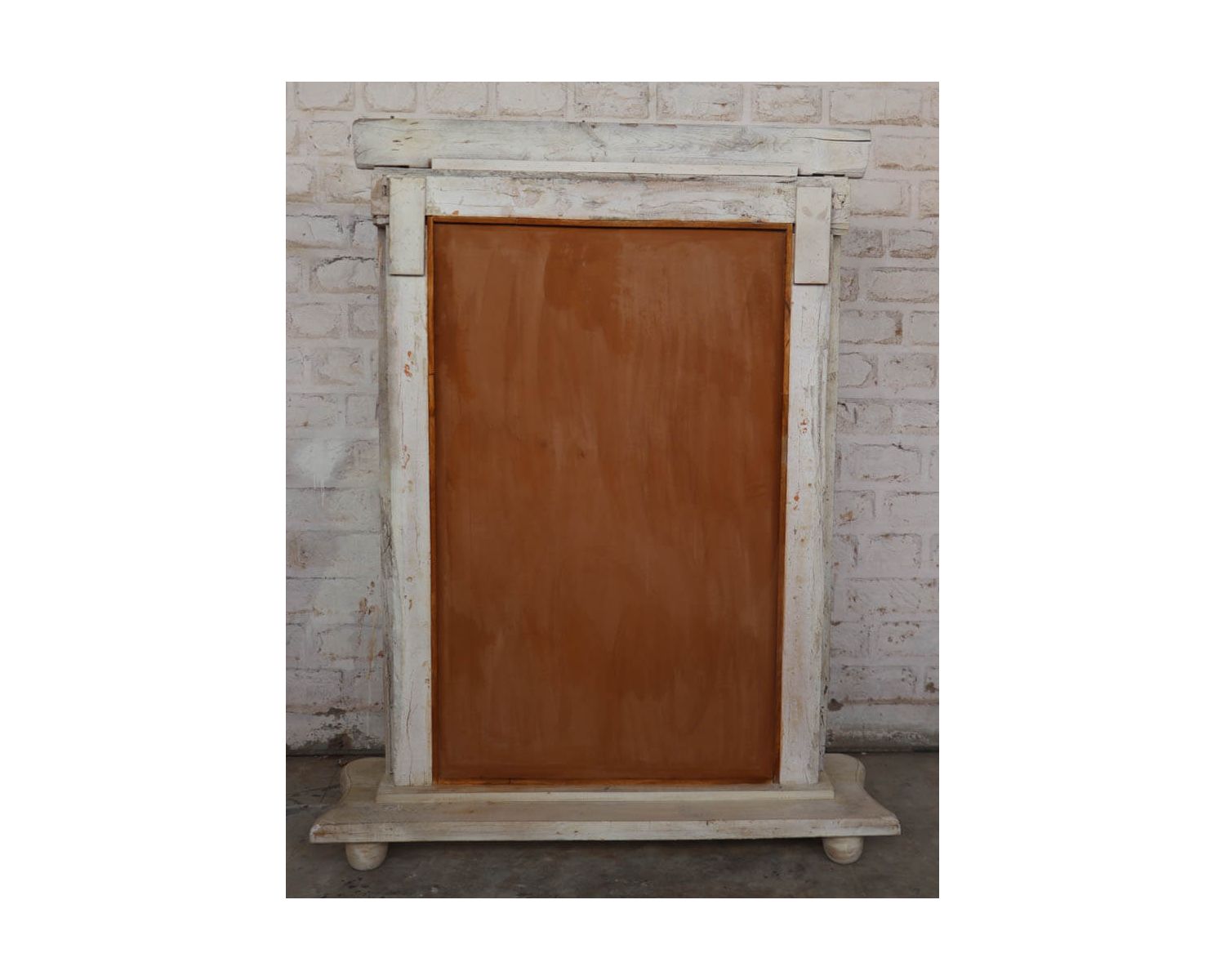
Comes mounted
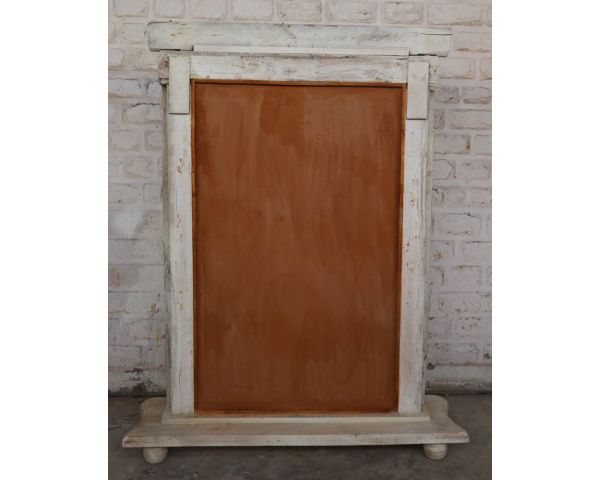
Solid wood natural quality hand dyed and mirrored
Heavy and fragile furniture (105 kg)